

Foreign Plunge! How Hexagone Manufacture Found International Success In Robotic Pool Solutions
Hexagone Manufacture, a French specialist in solutions for private and public swimming pools, now sells its products in 57 countries and continues to expand through the opening of new subsidiaries. Its president, Yoann Chouraqui, shares insights into the strategy he has developed over the years.
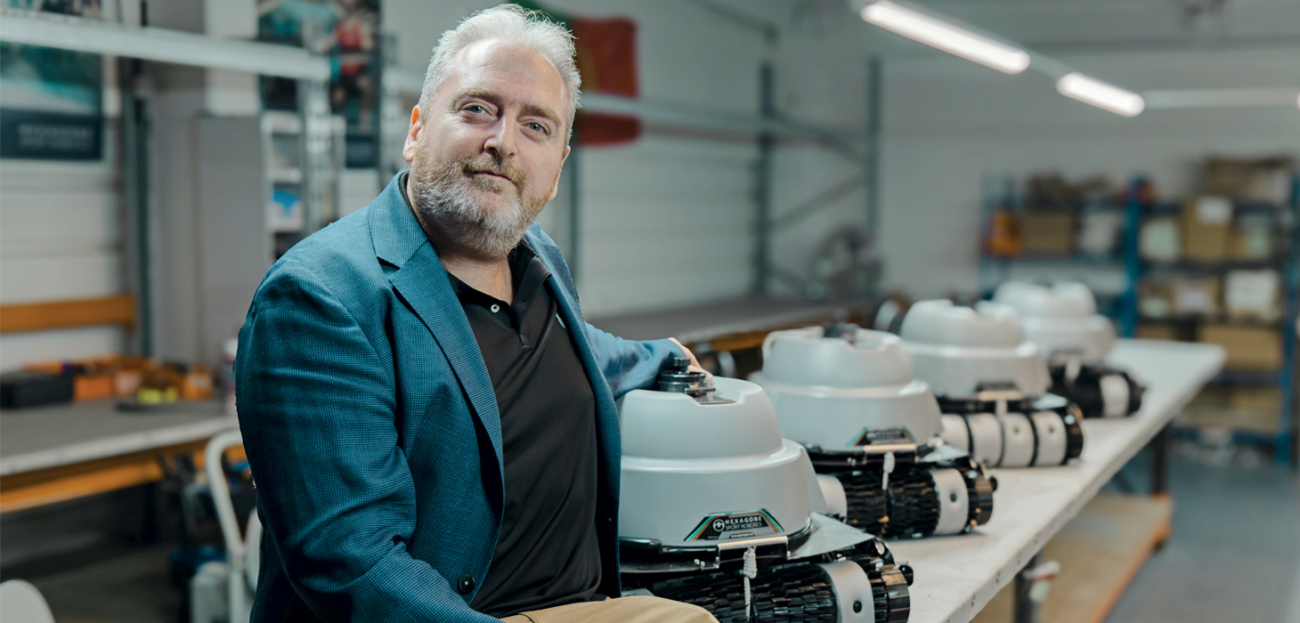
CHRONO MP3, EXPRESSO XL, VIKING MP3… These names may not ring a bell, yet they are used in one out of every four public swimming pools worldwide. These cleaning robots are designed, manufactured, marketed and shipped by Hexagone Manufacture, a French expert in pool solutions, particularly robotic cleaning systems.
The company was founded by Richard Chouraqui and Jean-Pierre Pappalardo in 1987 when the swimming pool sector was expanding rapidly, and no European manufacturer offered such robots. From the outset, the company focused on the public swimming pool market.
In 2002, Richard Chouraqui’s son, Yoann, joined the business, taking charge of sales and international development. “That’s when I began deploying an export strategy. After all, public swimming pools exist everywhere in the world,” explains Yoann Chouraqui, now President of Hexagone Manufacture.
Eight subsidiaries — and more to come
The company, which employs 101 people, now sells its products in 57 countries, and has established eight subsidiaries in Spain, Switzerland, the United Kingdom, Ireland, Germany, Italy, the Benelux region and Scandinavia. “We either work with distributors or open subsidiaries,” says Chouraqui. “As we also provide services such as maintenance and repairs, being close to our customers is essential.”
Hexagone Manufacture was also selected to clean pools for the Paris 2024 Olympic Games, as well as previous Games in Rio and London. “This brings us significant credibility in the market,” he adds.
The company has achieved a 25% global market share. Exports account for 52% of its €17.6 million revenue, and further growth is expected. Hexagone is currently looking to open new subsidiaries in Scandinavia, Greece, Poland, Slovakia and the United States, as well as establishing joint ventures in Brazil and Australia. “Now that we are well established, our processes are streamlined and expansion has become ‘easier,’” says Chouraqui.
Human factor
Such success “doesn’t happen overnight” and requires a clear strategy. “In export business, it’s no secret that extensive travel is essential,” says Chouraqui, who is nicknamed “the man with the backpack,” in reference to the iconic cover of the Guide du Routard. “I think many companies — especially SMEs — are hesitant about exporting. But sometimes you simply have to go to a country, without overthinking it, and meet people. That’s what I did, and it worked.”
Chouraqui cites several factors that are key to a successful international strategy: a strong marketing department to effectively inform customers, high-quality documentation in local languages, teams capable of communicating in English and careful consideration of each country’s regulations and certification requirements. He also stresses the importance of negotiating with transport providers, as logistics costs can be significant.
Beyond product quality and innovation, responsiveness is crucial. The company operates in a competitive environment with around 50 rivals worldwide. “You can’t respond to an inquiry five days later — it’s a matter of trust, especially when you are far away from your clients.”
For Chouraqui, understanding cultural differences and taking the time to learn about local practices is equally important. While the “Made in France” label can be a selling point, he believes it should be used sparingly to avoid appearing complacent.
Ultimately, the human dimension remains central. “In an export business, you build unique relationships with people,” Chouraqui explains. “Sometimes you meet their families — it becomes a cultural exchange. You need to be prepared for that, but it’s also what makes this work so rewarding.”
In the spirit of these entrepreneurial journeys, Sport Définition will bring together, on July 1 2026, all the stakeholders involved in shaping, structuring and planning the sports economy of the future. Discover the event and register here.
Related
Trending
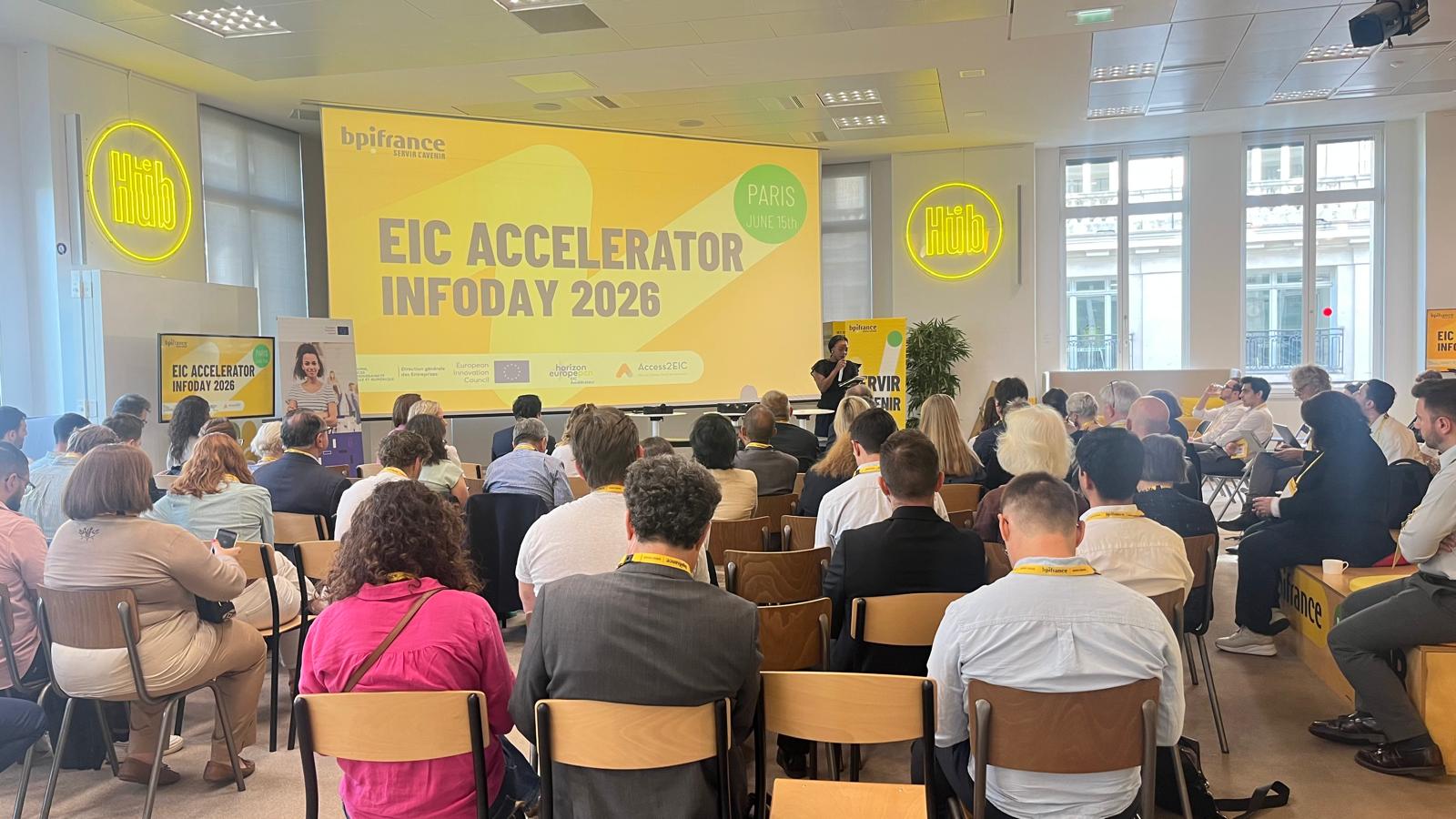
EIC Accelerator: Building Europe’s Next Deeptech Champions Together
During the EIC Accelerator Info Day 2026, held on June 15th at...
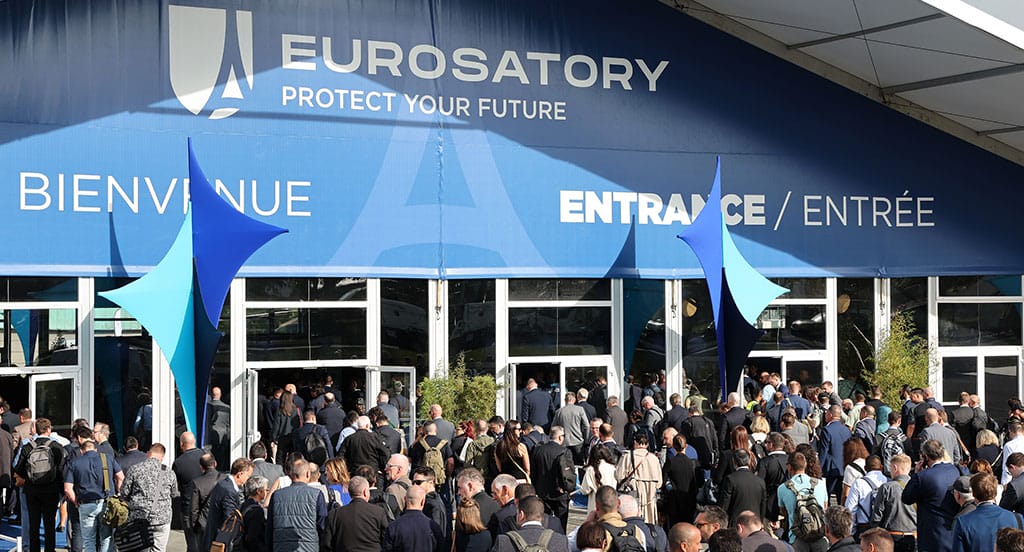
From Reindustrialisation to Exports: The new momentum of France’s Defence Industry
Against a backdrop of rising geopolitical tensions and accelerating European rearmament, France’s...
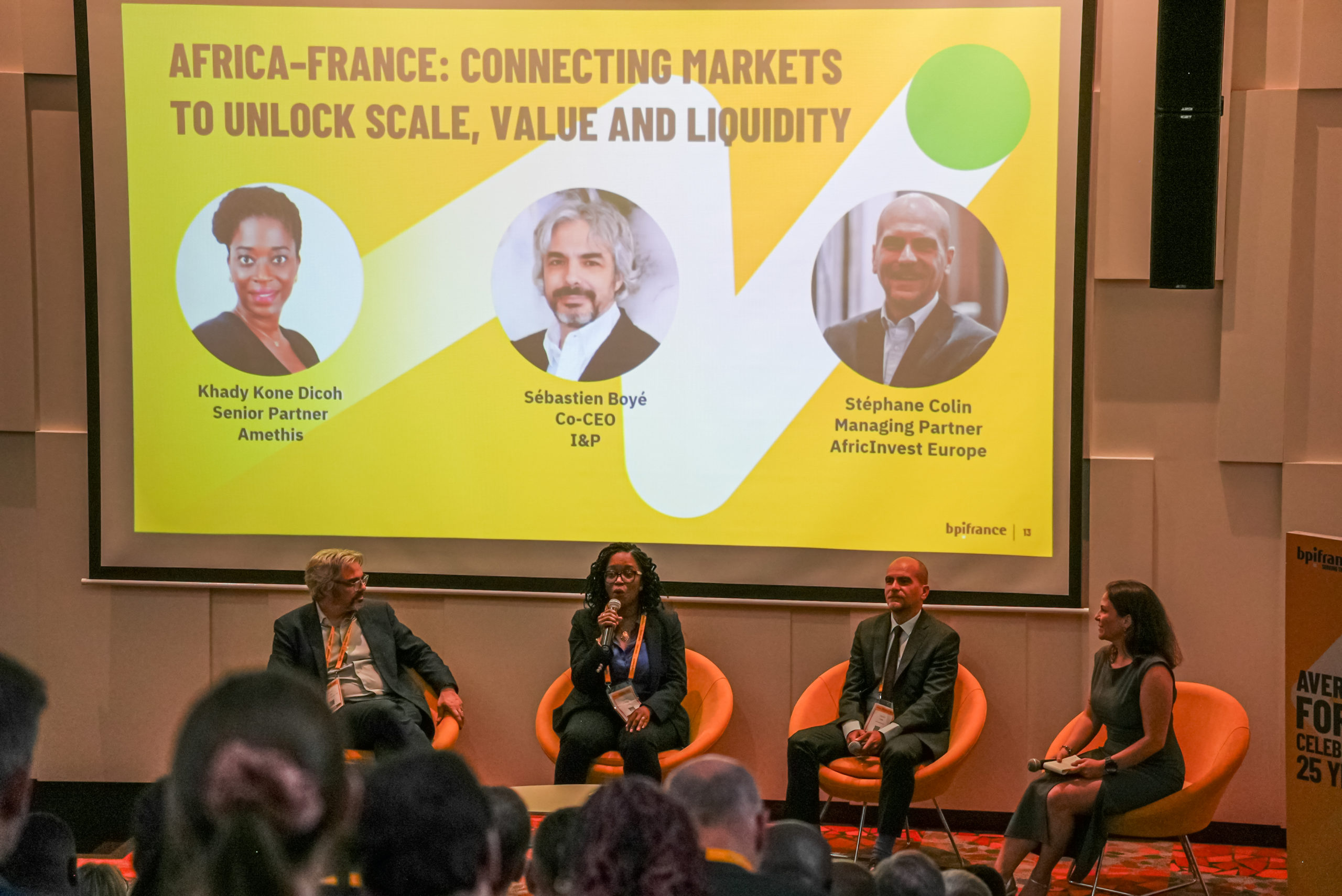
25 years of Averroès ! Bpifrance doubles down on Africa’s private sector growth
As the Averroès Forum opens in Nairobi on May 12 alongside the...