

From Reindustrialisation to Exports: The new momentum of France’s Defence Industry
Against a backdrop of rising geopolitical tensions and accelerating European rearmament, France’s defence industry is gaining momentum, buoyed by higher spending and a €57.1 billion budget for 2026. Eurosatory (June 15–19, Paris) will once again serve as a global showcase, bringing together more than 2,100 exhibitors from over 65 countries.
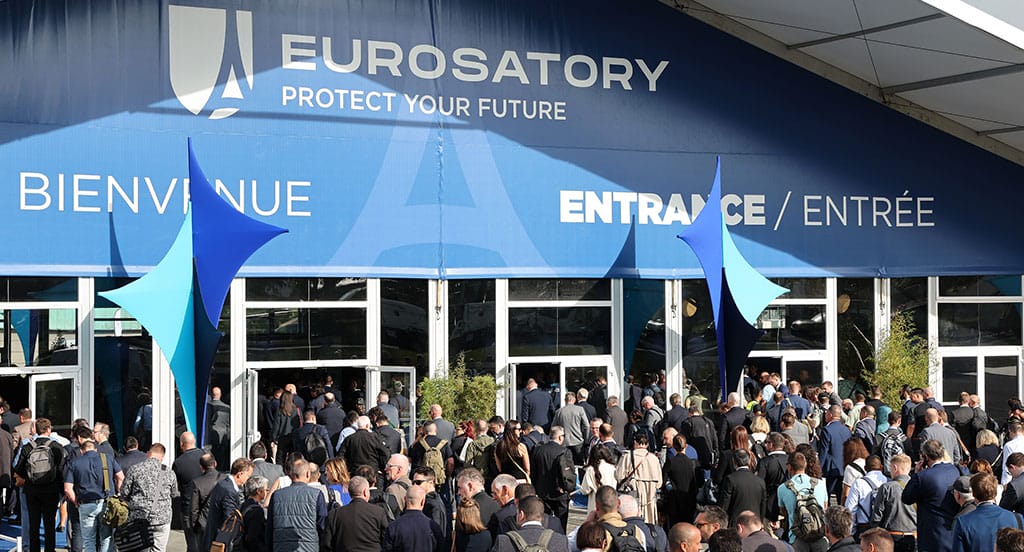
On this occasion, Benoît Fretellière (Head of Team Defence, Naval, Space and Telecommunications at Bpifrance Assurance Export) and Nicolas Berdou (Senior Investment Director at Bpifrance) share their perspectives on the sector’s challenges, financing needs, and growth outlook.
Defence has become a major issue of economic and industrial sovereignty. What are the main challenges currently facing the French DITB ?
Benoît Fretellière : The DITB is currently benefiting from very favourable momentum, driven by increased defence budgets and growing order books. However, this acceleration also highlights two major challenges. The first is industrial. Companies need to expand their production capacities by adapting production tools, investing heavily and recruiting new talent to fulfill large-scale orders. The second challenge is financial. Scaling up production requires substantial investment. Finally, there is a certain tension between the State and manufacturers. Companies are waiting for firm orders before investing, while the State expects them to start increasing production capacity beforehand. This dynamic can slow down some projects.
Nicolas Berdou: The first challenge is indeed responding to rapidly growing demand. Companies must absorb increasing orders and accelerate production rates. The second challenge stems from the nature of the market itself. Defence remains a highly competitive and global market, but one that is also strongly shaped by sovereign and national considerations, with significant barriers to entry.
What strengths currently set the French DITB apart on international markets?
Benoît Fretellière: French companies benefit from a strong export track record. They have built long-term relationships across many regions of the world, particularly in Africa, the Middle East and Asia. Their other major asset is the quality of their equipment. French armed forces test these systems under real operational conditions, which provides a strong guarantee for foreign customers. Today, buyers are looking for equipment that is reliable, readily available and operationally proven. However, competition is becoming increasingly intense in simpler, lower-cost equipment produced at scale, particularly in the drone sector. Historically focused on highly sophisticated systems, the French industry must also position itself in these segments.
Nicolas Berdou: Aerospace, naval technologies, space and cybersecurity are all areas in which France excels. It is worth remembering that France possesses the strongest defence industry within the European Union because we have managed to preserve our industrial capabilities over time. The main reason is nuclear deterrence. France is the only European country with fully autonomous nuclear deterrence capabilities, whereas the United Kingdom still relies in part on the United States. Because of this need for strategic autonomy, we have maintained a complete industrial and technological ecosystem. This places France in a particularly strong position in international competition. We are competitive across virtually all domains. Of course, we have our limitations, but we still benefit from an outstanding industrial and technological base and many strengths to compete globally.
Eurosatory is often described as a global showcase for defence innovation. Beyond visibility, what can an event like this bring to the French companies you support ?
B.F: Eurosatory is truly a must-attend event. It brings together delegations from all over the world who come to discover equipment, attend demonstrations and meet manufacturers. For SMEs and mid-sized companies, it is an exceptionally powerful business development tool. International prospecting is costly and complex. Here, all potential customers are gathered in one place. This maximises visibility and creates commercial opportunities very quickly. In fact, most companies want to return edition after edition because the impact on their international development is so tangible.
In this context, supporting and securing export processes is essential—this is precisely the role of Bpifrance Assurance Export, the French Credit Agency, which will be present at Eurosatory to advise companies and help bring their international projects to fruition.
The event is also one that companies almost systematically seek to return to, given its tangible impact on their international growth.
N.B: Visibility is obviously one of the key benefits. Beyond that, networking is essential. Business leaders often face similar challenges, and events like Eurosatory allow them to step back from day-to-day operations and engage with peers, major industrial groups and public authorities. The French State is present, and so is Bpifrance. It is also an opportunity to identify emerging trends that are not always easy to detect from within one’s own organisation.
For a long time, some investors were reluctant to finance defence. Are attitudes changing?
N.B: Absolutely, on two fronts. First, economically: defence is now one of the fastest-growing markets globally, with projected growth of 50% to 100% over the next decade. This naturally attracts investors, as companies in the sector offer strong growth potential. Perceptions are also evolving on sustainability. The geopolitical context has reshaped the debate, with growing recognition that defence is a prerequisite for peace. Without peace, there can be no sustainable development. In the 2010s, defence and sustainability were often seen as conflicting, with a strong focus on “green” investments. Today, that view is more balanced. Recent conflicts, particularly in Ukraine, have shown that in times of crisis, security becomes paramount. The balance is gradually shifting. ESG criteria remain essential but increasingly integrate sovereignty and security considerations.
What are the most effective levers for strengthening the competitiveness and resilience of the DITB?
B.F: Exports are a key lever. They improve margins, stimulate innovation, attract talent and expose companies to international competition, although not without risks. Many SMEs and mid-sized companies embark on export strategies without fully anticipating these challenges. Bpifrance’s role is therefore to secure these operations through tools such as export credit insurance, bond guarantees and foreign exchange insurance. Diversifying markets and customers is also essential to mitigate risks. Finally, mechanisms such as Article 90* help support reindustrialisation in France and strengthen companies’ ability to expand internationally.
Which technological fields will be the most strategic in the years ahead?
B.F: Two areas stand out in particular: drones and artificial intelligence. The drone market is expanding extremely rapidly, driven by lessons learned from recent conflicts. French companies benefit from recognised expertise, notably thanks to the country’s aerospace heritage. As for artificial intelligence, France is well positioned, with a dynamic ecosystem and a strong scientific tradition. These technologies are becoming indispensable within modern defence systems. In both fields, international competition is extremely intense, which reinforces the need to support companies and accelerate their development.
Artificial intelligence, space, drones, secure telecommunications… Which French companies best embody this innovation capacity in the defence sector ?
N.B: Several companies illustrate the dynamism of the French DITB. Cailabs, for instance, develops laser communication technologies enabling highly secure links on Earth and with satellites, offering world-class performance and strong potential for defence applications. Another example is Unseenlabs, which uses nanosatellites to detect radio-frequency emissions from space. This enables effective maritime surveillance and the identification of illegal activities—even when vessels seek to remain undetected.
B.F: We can also mention CEFA, which designs bridging and crossing equipment that is essential for ground operations. This type of equipment may receive less attention than cutting-edge technologies, yet it remains absolutely critical in the field. Among newer players, companies such as Delair and Cerbair illustrate the rise of France’s “new defence” ecosystem, particularly in the drone sector. Beyond these examples, we are seeing rapid acceleration across several technological segments. Drones are experiencing particularly strong growth. France benefits from recognised expertise inherited from its aerospace excellence, even though international competition is very active, especially in lower-cost mass-produced models.
What ambitions has Bpifrance set for itself in this strategic sector over the coming years?
N.B: Bpifrance’s mission is clear: to support the development of a strong French industrial base, particularly in a growing sector such as defence. The French DITB is one of the most structured and high-performing in Europe. It contributes positively to both the economy and the trade balance. Supporting its expansion is therefore essential. To achieve this, we have developed a comprehensive financing continuum, with dedicated programmes such as Definvest and the Defence Innovation Fund, alongside Bpifrance’s traditional financing tools.
B.F: The central issue is sovereignty. The objective is to strengthen industrial and technological capabilities in France while also developing European cooperation. The goal is to build a more autonomous and resilient European defence ecosystem. Achieving this will require stronger mobilisation from all stakeholders, including industry, finance and public authorities, to support this long-term transformation.
Looking to accelerate your defense projects ? Let’s connect at Eurosatory from June 15-19, 2026 Stand C51 | Hall 4.
Related
Trending
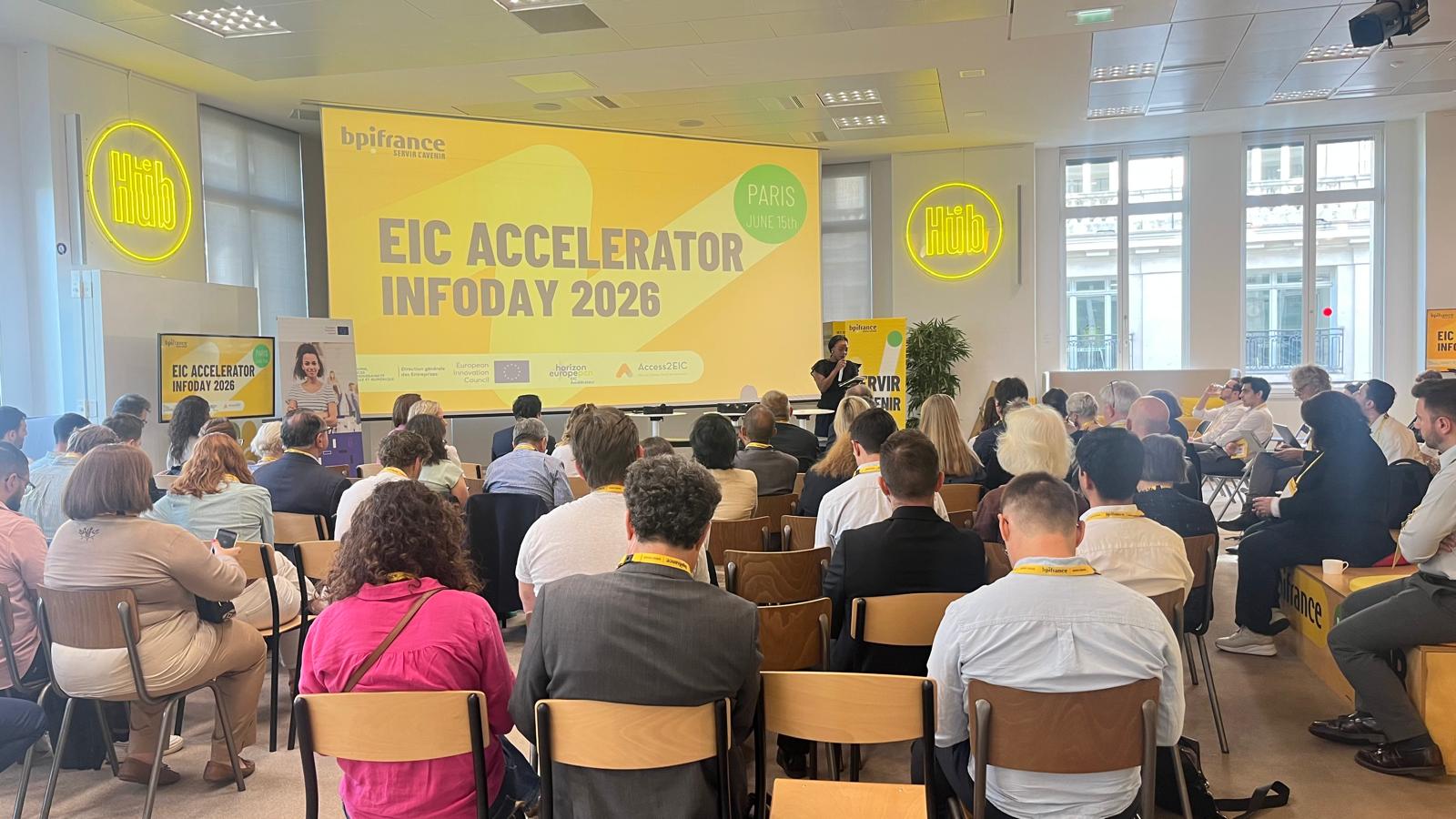
EIC Accelerator: Building Europe’s Next Deeptech Champions Together
During the EIC Accelerator Info Day 2026, held on June 15th at...
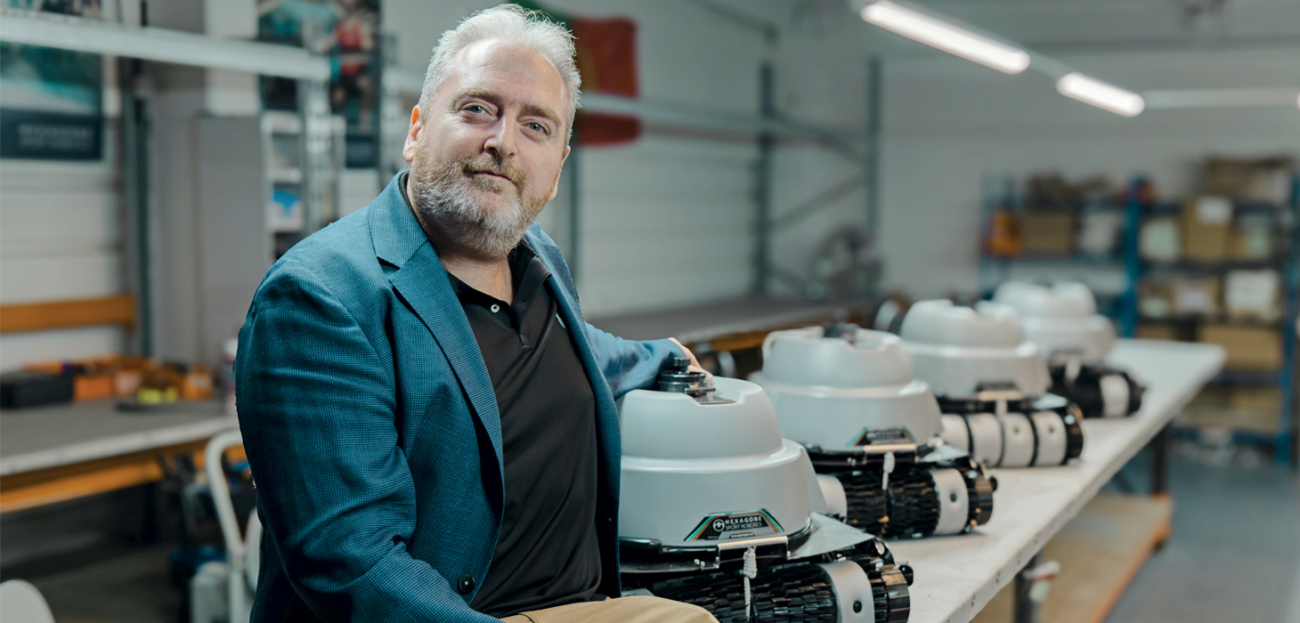
Foreign Plunge! How Hexagone Manufacture Found International Success In Robotic Pool Solutions
Hexagone Manufacture, a French specialist in solutions for private and public swimming...
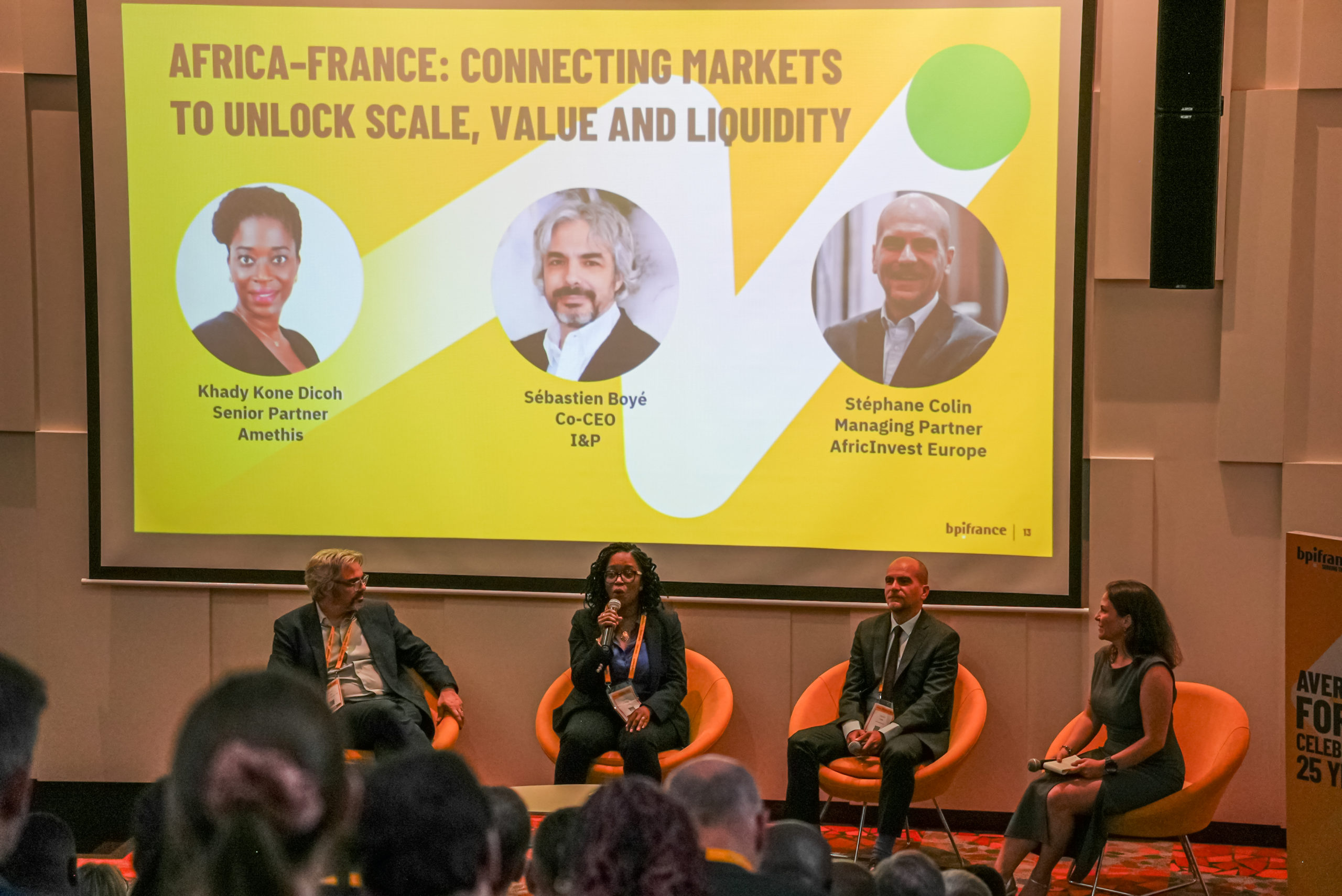
25 years of Averroès ! Bpifrance doubles down on Africa’s private sector growth
As the Averroès Forum opens in Nairobi on May 12 alongside the...