

Co-Industrialization, A Long-Term Growth Strategy for French Companies In Africa
Africa has become a strategic priority for French companies seeking export opportunities. But beyond traditional trade relationships, a new model is gaining traction: co-industrialization. This approach will be at the center of Bpifrance’s next Africa Forward | Inspire & Connect event in May 2026 in Nairobi.

Africa is entering a decisive phase in its economic transformation. Driven by unprecedented demographic growth and rapid urbanization, the continent is emerging as one of the world’s most promising growth engines. By 2050, Africa’s population is expected to reach 2.5 billion, with 450 million young people entering the labor market by 2035, according to the World Bank.
At the same time, urbanization and digital transformation are reshaping consumption patterns and accelerating economic diversification. Foreign direct investment reflects this momentum, with inflows reaching $83 billion in 2022, up 35% year-on-year, according to the UN Conference on Trade and Development.
For French companies, like others, Africa represents a major opportunity. So in a more competitive international landscape, how can French players rethink their approach? One key opportunity is by moving from export-driven strategies to deeper, more integrated partnerships that create value locally.
From fintech to agro-industry
There are several key sectors fueling Africa’s economic future, which offer strong investment opportunities.
The digital economy is leading the way. With more than 615 million mobile users and nearly 500 million internet users, Africa is becoming a global laboratory for digital solutions. The fintech sector is especially illustrative: with more than $700 billion in mobile transactions in 2022, Africa is now the world leader in mobile payments. There are other tech sectors also expanding rapidly, from e-learning to cybersecurity and artificial intelligence.
Energy is another crucial entry point. Despite holding 60% of the world’s solar potential, the continent still faces significant energy access gaps, with around 600 million people lacking electricity. This has created strong momentum around renewable energy projects, from solar mini-grids to large-scale wind and hydroelectric infrastructure.
Agriculture and agro-industry also offer major opportunities. With over 60% of the world’s uncultivated arable land, Africa has the potential to become a global agricultural powerhouse. The rise of agritech — combining digital tools, smart irrigation and data-driven farming — is helping improve yields and reduce post-harvest losses.
Finally, infrastructure, transport and real estate are central to supporting rapid urbanization. With more than 1.3 billion people expected to live in African cities by 2050, the need for housing, transport networks and logistics solutions is immense.
Innovation ecosystems, Inspire & Connect
In this fertile and evolving landscape, co-industrialization is emerging as a key strategic lever for French companies for long-term success. Rather than simply exporting products or services, this approach focuses on building local industrial capacity through partnerships with African stakeholders. The goal is no longer to deploy expertise from France temporarily, but to establish a sustainable industrial presence on the ground.
This shift responds to a fundamental expectation from African partners: the need for technology transfer, skills development and local value creation. As highlighted by industry experts, success in Africa increasingly depends on the ability to invest locally, develop production facilities and train talent. Co-industrialization allows African economies to retain more value while offering French companies stronger and more sustainable market positions.
In an increasingly competitive environment, it’s essential for France to adapt to this new paradigm. “We are just another competitor, perhaps even a minor one now,” notes Olivier Vincent, Executive Director in charge of export activities at Bpifrance. “We must therefore absolutely assert our presence [in Africa].”
This requires a tailored approach that takes into account the specificities of each market and builds genuine long-term partnerships. Public actors are playing a key role in supporting this transition. Drawing on its experience in fostering innovation ecosystems and facilitating access to complex funding environments, Bpifrance is helping French companies structure their expansion strategies in Africa, and elsewhere around the world.
Initiatives such as the Africa Forward | Inspire & Connect summit, to be held in Nairobi in May, exemplify this ambition. Bringing together public and private stakeholders from Africa, France and elsewhere in Europe, the event aims to foster co-investment, strengthen industrial partnerships and promote co-industrialization as a shared development model.
Ultimately, co-industrialization represents more than a business strategy — it is a new framework for economic cooperation. By aligning interests, building local capabilities and fostering innovation, it creates a win-win dynamic that benefits both African economies and French companies.
Related
Trending
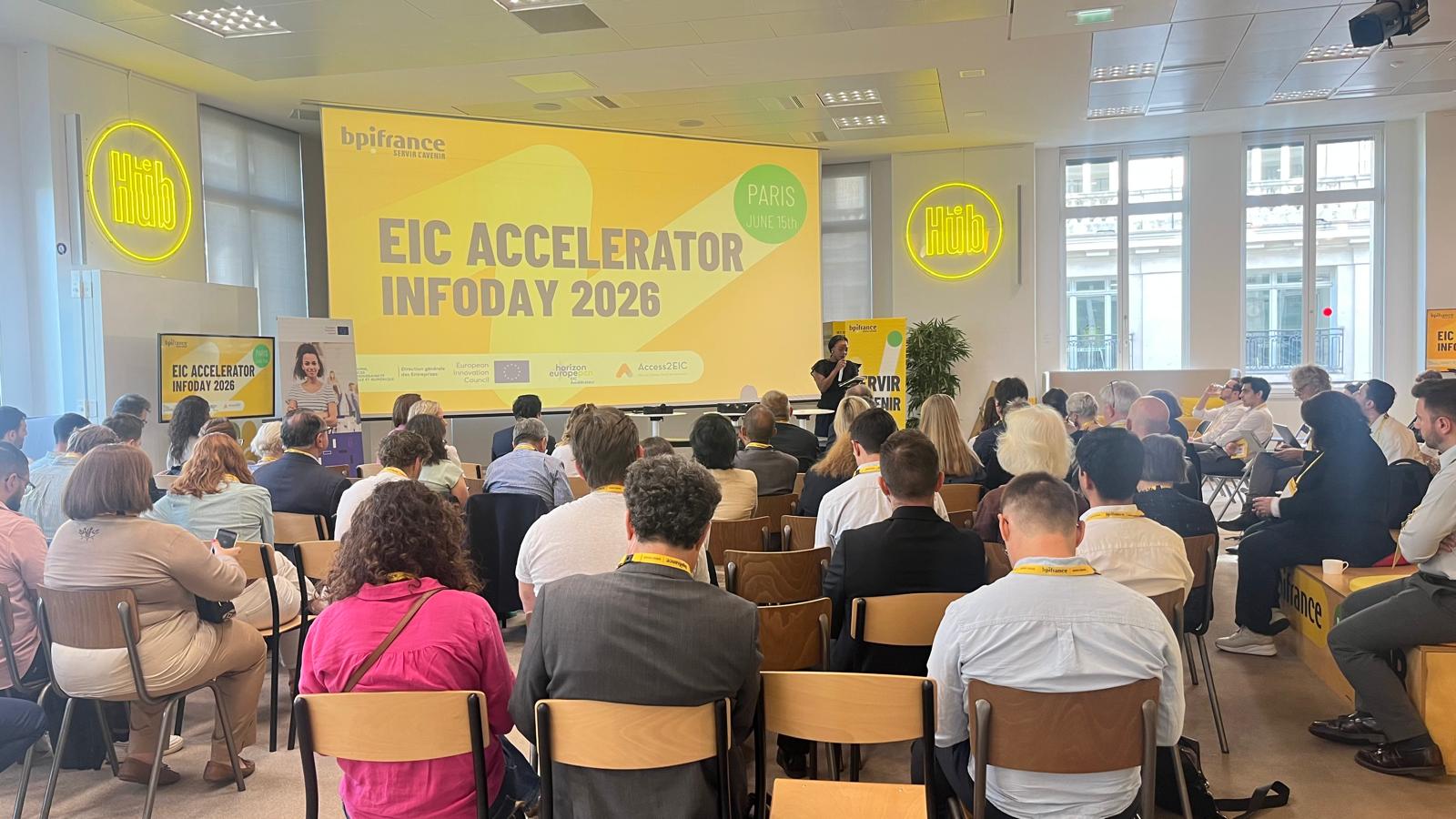
EIC Accelerator: Building Europe’s Next Deeptech Champions Together
During the EIC Accelerator Info Day 2026, held on June 15th at...
From Reindustrialisation to Exports: The new momentum of France’s Defence Industry
Against a backdrop of rising geopolitical tensions and accelerating European rearmament, France’s...
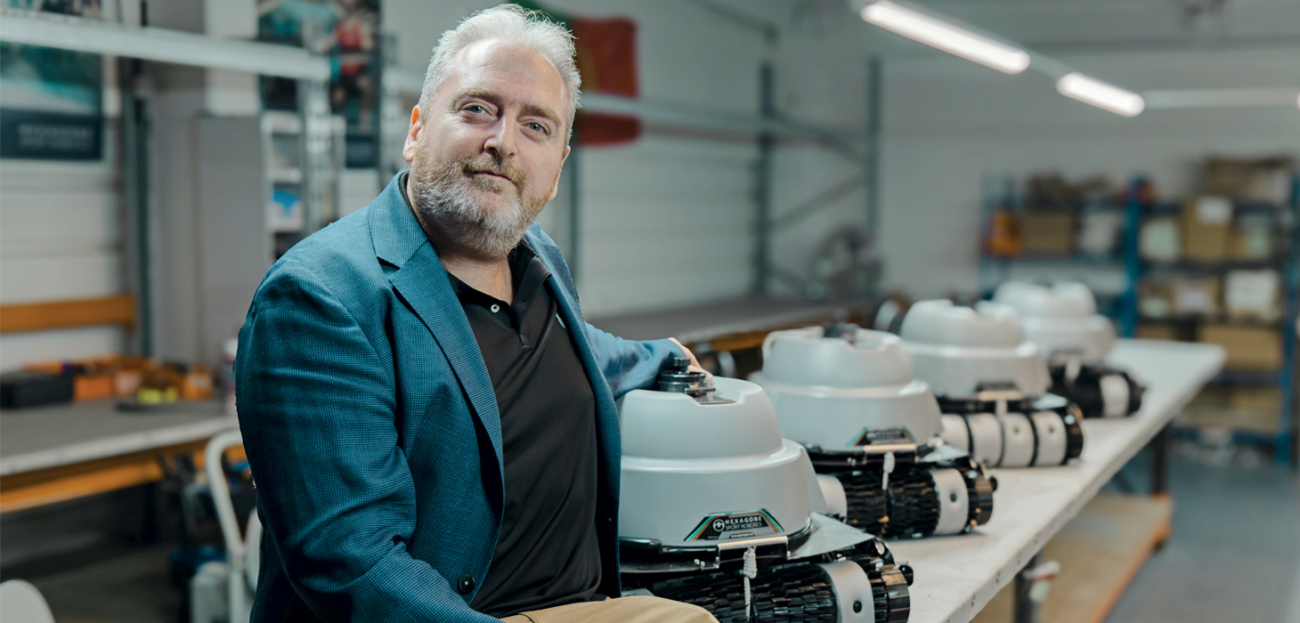
Foreign Plunge! How Hexagone Manufacture Found International Success In Robotic Pool Solutions
Hexagone Manufacture, a French specialist in solutions for private and public swimming...