

80 years of Public Export Guarantees: how France built a strategic export tool ?
Created in the aftermath of World War II to support France’s reconstruction, public export guarantees have gradually become one of the country’s most strategic economic tools.
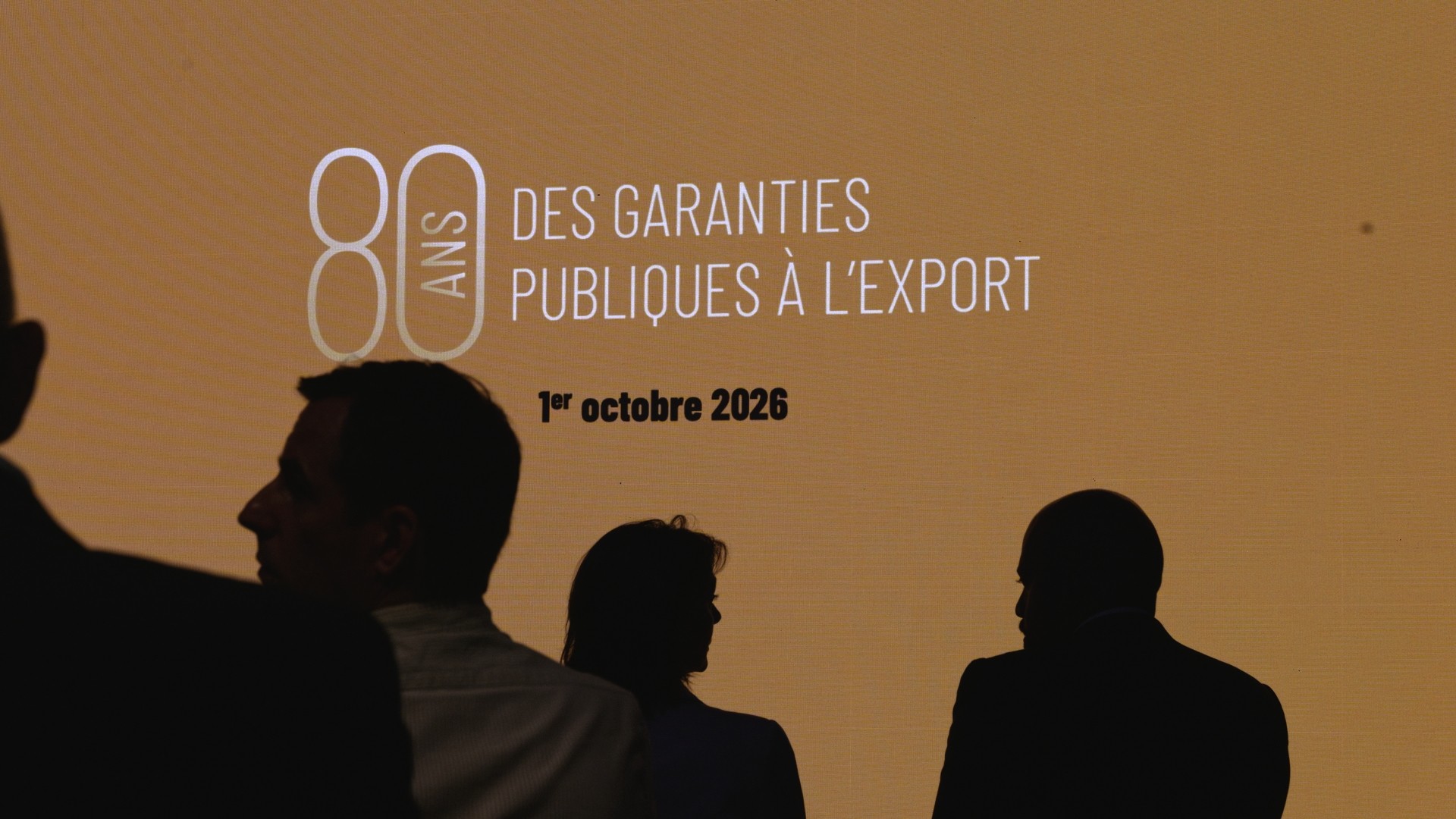
From industrial expansion during the Trente Glorieuses to the financial crisis of 2008 and the Covid shock, the system has continuously adapted to geopolitical and economic upheavals. As Bpifrance Assurance Export celebrates the 80th anniversary of public guarantees, this mechanism remains central to France’s export competitiveness.
France’s public export guarantees were born in 1946, at a time when the country was emerging from war, rebuilding its industrial base and seeking to regain its place in global trade. The creation of Coface, originally tasked with managing export credit insurance on behalf of the French state, reflected a broader post-war economic doctrine: strategic sectors could not rely solely on private markets. Export financing was one of them. Eighty years later, the landscape has changed dramatically, yet the logic remains strikingly similar. In an increasingly fragmented world shaped by geopolitical tensions, volatile supply chains and tighter financial conditions, public guarantees continue to provide French exporters with stability, liquidity and long-term visibility. Now managed by Bpifrance Assurance Export on behalf of the French government, the system supports between € 15 and €30 billion worth of guarantees every year. As Denis Le Fers, Managing Director of Bpifrance Assurance Export, explains, the institution exists to ensure that “foreign buyers can source from French companies” through state-backed financing solutions.
From post-war reconstruction to global trade ambitions
The origins of France’s public guarantees are deeply tied to the reconstruction period that followed the Liberation. In 1946, private companies lacked both the financial capacity and political legitimacy to carry the burden of rebuilding the economy alone. France, therefore expanded its role across multiple sectors, including export financing. At the time, French exporters faced significant risks abroad: political instability, currency fluctuations and non-payment risks all which made international trade particularly uncertain. Public guarantees emerged as a way to secure long-term export operations that private insurers were often unwilling or unable to cover. The creation of Coface introduced a hybrid model that would become a distinctive feature of the French system. The company handled commercial risks on its own account while managing political and strategic risks on behalf of the state. This structure enabled France to support large export contracts while maintaining a degree of market flexibility. During the economic boom of the 1960s and 1970s, public guarantees evolved from a protective mechanism into a genuine industrial policy instrument. France sought to strengthen its position in international trade, particularly in large infrastructure and industrial projects abroad. Export guarantees became essential for financing power plants, transport systems and turnkey industrial facilities in emerging economies and oil-producing countries.
A countercyclical tool during global crises
The oil shocks of the 1970s profoundly transformed export financing. Faced with rising inflation, deteriorating trade balances and aggressive international competition, many industrialized countries expanded their export credit systems. France became one of the most interventionist players, using public guarantees and subsidized financing to help national champions secure contracts abroad. Over time, however, the risks attached to these strategies became more visible. Debt crises in developing economies during the 1980s generated significant losses for export credit agencies worldwide. This period forced governments and institutions to refine their risk assessment methodologies and strengthen international coordination frameworks, notably within the OECD. Yet the successive crises of the last decades have also demonstrated the resilience of public guarantees. During the 2008 financial crisis, private liquidity dried up across global markets. Export credit agencies stepped in to maintain financing flows, particularly in strategic industries such as aviation. Denis Le Fers describes this as a “major countercyclical role,” one that became even more visible during the Covid-19 crisis, especially when large parts of the aviation and cruise industries suddenly came to a standstill. This countercyclical dimension remains one of the key strengths of the system today. When financial markets become more cautious, state-backed guarantees continue to provide long-term financing capacity. For banks, these guarantees reduce risk exposure and facilitate lending. For exporters, they help secure contracts that might otherwise collapse in uncertain economic environments.
“Confidence in the future is almost the basis of our business,” Denis Le Fers explains. Public guarantees are designed precisely to provide that long-term confidence, whether for sovereign buyers, private companies or major infrastructure projects.
Adapting to a more fragmented world
Today, public guarantees operate in a very different geopolitical context from the one that shaped their creation. Export credit agencies must now navigate energy transitions, industrial competition, sovereign debt risks and growing tensions between major powers.
China’s rise as a major export financing player has also reshaped the balance of power. Through aggressive state-backed financing strategies, Chinese institutions have become increasingly influential in infrastructure projects across Africa, Asia and the Middle East. European export agencies therefore face mounting pressure to remain competitive while complying with international frameworks designed to limit subsidy races. For Bpifrance Assurance Export, adaptability has become essential. The institution continues to evolve its products and financing structures in response to market expectations and geopolitical uncertainty. Beyond traditional industrial contracts, the challenge now lies in supporting strategic sectors linked to energy, mobility and technological sovereignty. The institution also increasingly sees itself as part of a broader geopolitical strategy. In emerging markets, French state guarantees can become not only an economic tool, but also “a diplomatic instrument,” according to the Managing Director of Bpifrance Assurance Export.
Eighty years after their creation, France’s public guarantees remain more than a technical financial instrument. They reflect a long-standing conviction that exports are not solely a matter of private initiative, but also a strategic issue requiring public support, especially in times of instability. Or, as Denis Le Fers summarizes it, public guarantees remain “the backbone” of France’s ability to project itself internationally with confidence.
Related
Trending

ICBS – beyond networking, a push for an « Africa-France co-industrialization »
PARIS — Large-scale summits on African business have traditionally followed a familiar...
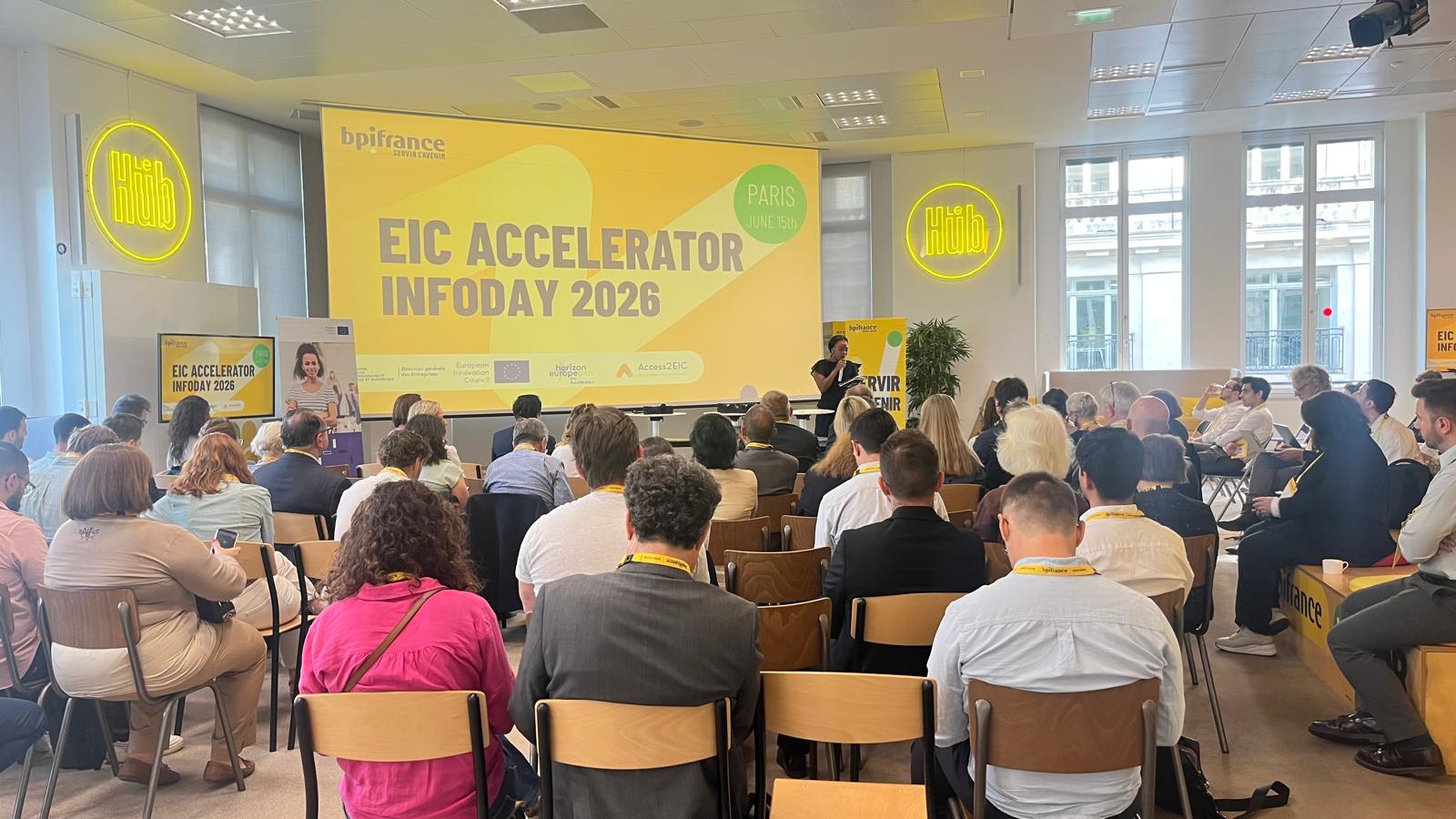
EIC Accelerator: Building Europe’s Next Deeptech Champions Together
During the EIC Accelerator Info Day 2026, held on June 15th at...

From Reindustrialisation to Exports: The new momentum of France’s Defence Industry
Against a backdrop of rising geopolitical tensions and accelerating European rearmament, France’s...