

ICBS – beyond networking, a push for an « Africa-France co-industrialization »
PARIS — Large-scale summits on African business have traditionally followed a familiar routine: grand keynote speeches, broad panel discussions, and superficial networking that rarely translates into concrete contracts. The Inspire & Connect Business Sessions (ICBS), orchestrated by Bpifrance, deliberately breaks with that model.
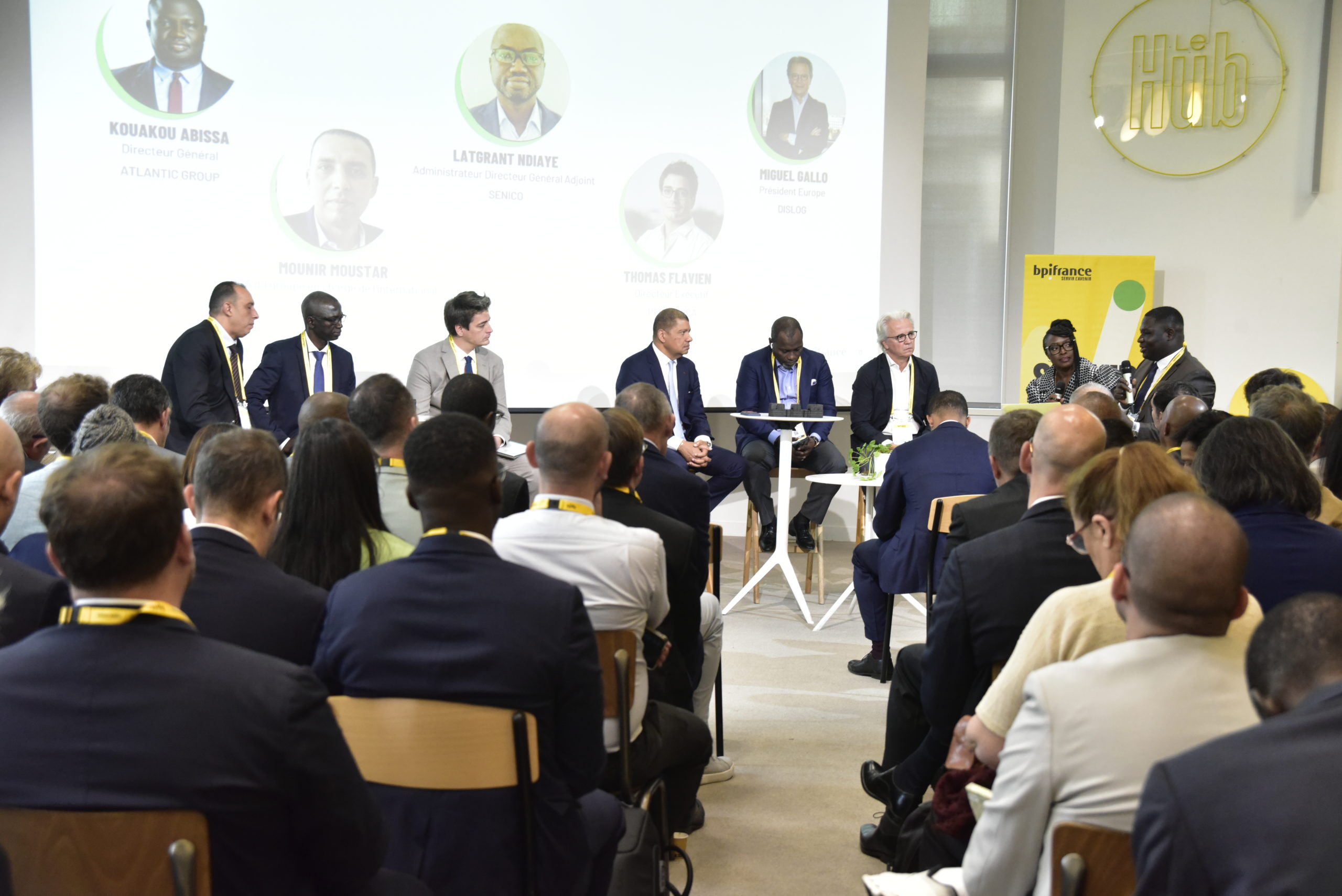
Following the vast momentum of pan-African gatherings like Africa Forward | Inspire & Connect in Nairobi, ICBS is designed as a much smaller, highly targeted transaction engine. The summit bypasses open exhibition halls to bring 14 major African industrial consortiums—including groups like SIFCA, Centum, ER Group, and Netis—into direct, structured negotiations with French technology and industrial partners. The focus is not protocol, but closing deals: moving decisively from the outdated “sell and retreat” export model toward long-term co-industrialization, technology transfer, and shared local value.
The power of direct access
For business ecosystems on both sides of the Mediterranean, the primary value of formats like ICBS lies in cutting through layers of intermediaries to connect decision-makers who actually control investment strategies and operational budgets.
“The objective is simple: meet major African private accounts directly, work together, and build projects for tomorrow,” explains Alexandre Gellé, Director of Public and Institutional Affairs at the Ragni Group. “Succeeding across these markets requires courage, resilience, and above all, a shared, long-term vision.”
By replacing casual encounters with pre-vetted matchmaking, the summit ensures that established corporate projects find immediate technical and commercial answers. Rather than simply discussing market potential, partners can align on procurement, joint ventures, and local production requirements from day one.
Moving from trade to co-industrialization
The broader takeaway from ICBS is a structural shift in how cross-border partnerships are defined. With Africa’s rapid demographic growth and increasing industrial ambitions, local value creation has become an imperative rather than an option.
Bridging this gap requires international partnerships structured around manufacturing on the ground rather than shipping finished goods.
“It’s long overdue that French and European companies come into Africa not only for trade, but for manufacturing,” notes Navin Choubey, CEO of Revital Healthcare EPZ. “France brings quality, technical expertise, and sustainability, while Africa brings scale and market access. Together, it’s a powerful combination for manufacturing in Africa, for Africa.”
Financing as the essential catalyst
Bringing corporate leadership together is only half the battle; closing complex international partnerships requires a financial architecture that de-risks execution.
Bpifrance integrates project financing, credit insurance, and bank guarantees directly into bilateral discussions. This territorial and institutional anchoring, backed by regional hubs across France and the African continent, turns strategic alignment into bankable contracts.
“Project finance is absolutely essential—without targeted financing, there is simply no project,” emphasizes Philippe Penillard, Chairman of the Board of CLEIA SAS. “Tools like export and prospection insurance significantly reduce the commercial risk for industrial companies, allowing both sides to move from conversation to building operational capacity on the ground.”
By shifting the center of gravity from ceremonial diplomacy to pragmatic, pre-arranged dealmaking, platforms like ICBS provide the blueprint modern cross-continental ecosystems need: fewer speeches, fewer middle-men, and a relentless focus on producing together.
Related
Trending
EIC Accelerator: Building Europe’s Next Deeptech Champions Together
During the EIC Accelerator Info Day 2026, held on June 15th at...
From Reindustrialisation to Exports: The new momentum of France’s Defence Industry
Against a backdrop of rising geopolitical tensions and accelerating European rearmament, France’s...
Foreign Plunge! How Hexagone Manufacture Found International Success In Robotic Pool Solutions
Hexagone Manufacture, a French specialist in solutions for private and public swimming...